The Kodak Duaflex looks like something you should put on a shelf. Preferably beside a few old books, where everyone can admire it and assume it stopped working decades ago.
But I’m much more interested in whether it can still take pictures.
Kodak introduced the original Duaflex in 1947. It sold for around $17.25, and the series continued through several updated models until 1960. This was an affordable camera for everyday photographs: family gatherings, holidays, someone standing slightly awkwardly in the yard. Kodak’s own camera history records its long run and successive versions. Kodak camera history
It has the appearance of a twin-lens reflex camera, with two lenses stacked on the front and a big viewfinder you look down into. The upper lens provides the view; the lower one takes the photograph. The basic versions keep things wonderfully simple, with fixed focus and very limited exposure controls. Kodak’s original instructions explain the camera’s operation without requiring a photography degree. Duaflex IV manual
As for who designed it, I couldn’t verify a single individual to credit. Museum records identify Eastman Kodak Company as its creator, so I’d rather leave it there than attach the wrong name to a very good little camera. The Henry Ford collection
Was it popular? Its affordability and repeated updates suggest it found a solid audience. A camera doesn’t usually get four versions over thirteen years because absolutely nobody wants it.
The slightly annoying part today is the film.
The Duaflex uses 620, which Kodak discontinued in 1995 after the format lost ground to 120. That sounds like the end of the story, but 620 and 120 use the same size film and backing paper. The difference is the spool. Film Photography Project’s 620 history
So yes, you can still shoot it.
The easiest option is fresh film already wound onto 620 spools. You can also respool 120 onto 620 yourself in complete darkness. Keep a proper 620 take-up spool, and ask your lab to return it.
You’ll also see 120 conversion tips involving trimmed or modified spools. Fit varies, though, and a larger spool can bind inside the camera. A generic adapter won’t automatically solve that. Also, it’s called 120 film, rather than 120mm — one of photography’s unnecessarily confusing little details.
For something stranger, there are 35mm-to-620 adapter kits. These let you experiment with a narrow strip of film inside a camera built for square negatives, sometimes exposing right across the sprocket holes. Use a kit compatible with your camera, cover the red frame window, and follow its winding and unloading instructions. 620 film and adapter options
The appeal is getting an old camera back outside and seeing what it can do. A little inconvenience seems fair for something that has been waiting this long.

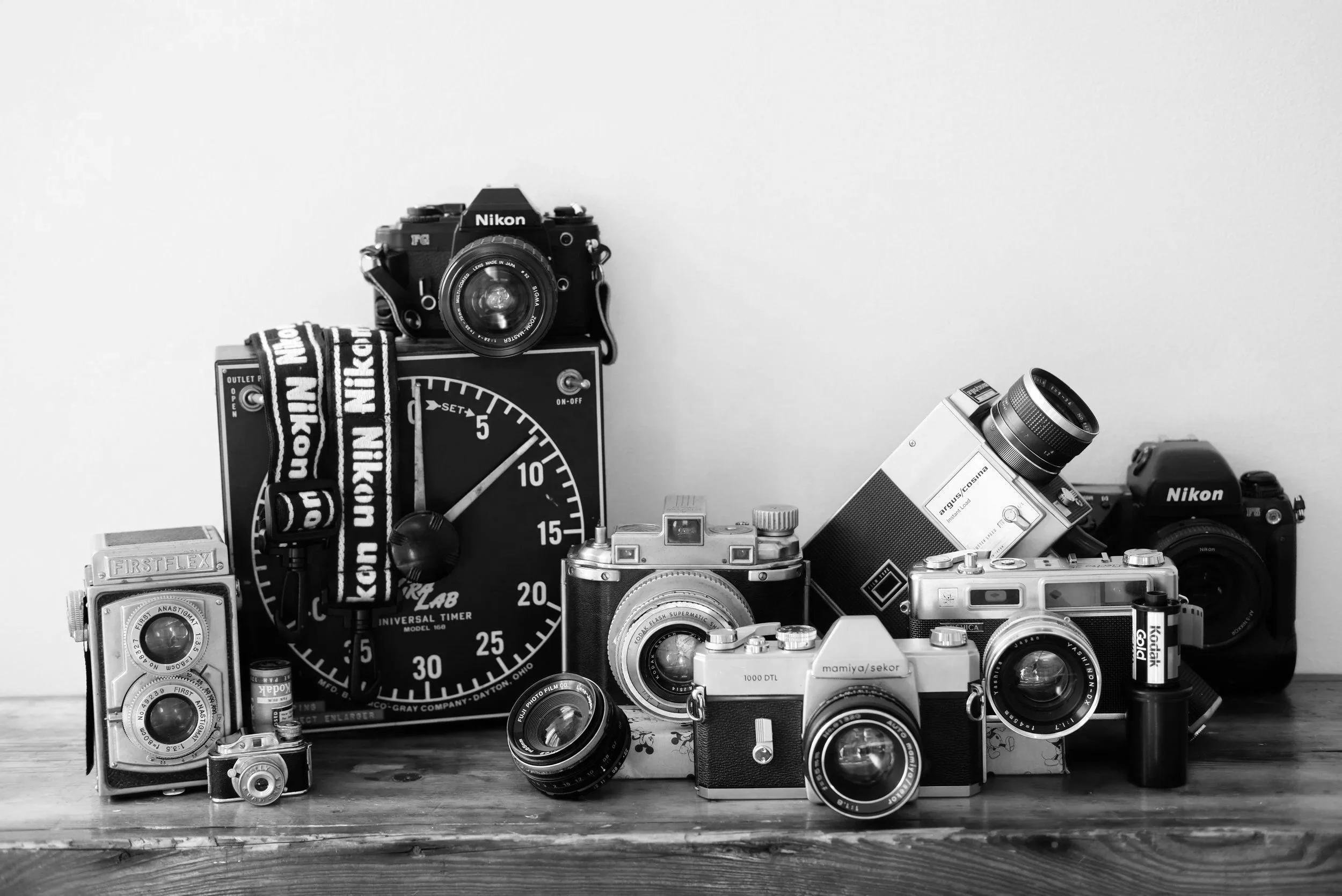

The Kodak Duaflex looks like something you should put on a shelf. Preferably beside a few old books, where everyone can admire it and assume it stopped working decades ago.